Charge Into Spring Yardwork: Electric Equipment Cuts Noise, Hassle And Maintenance
By: National Rural Electric Cooperative Association
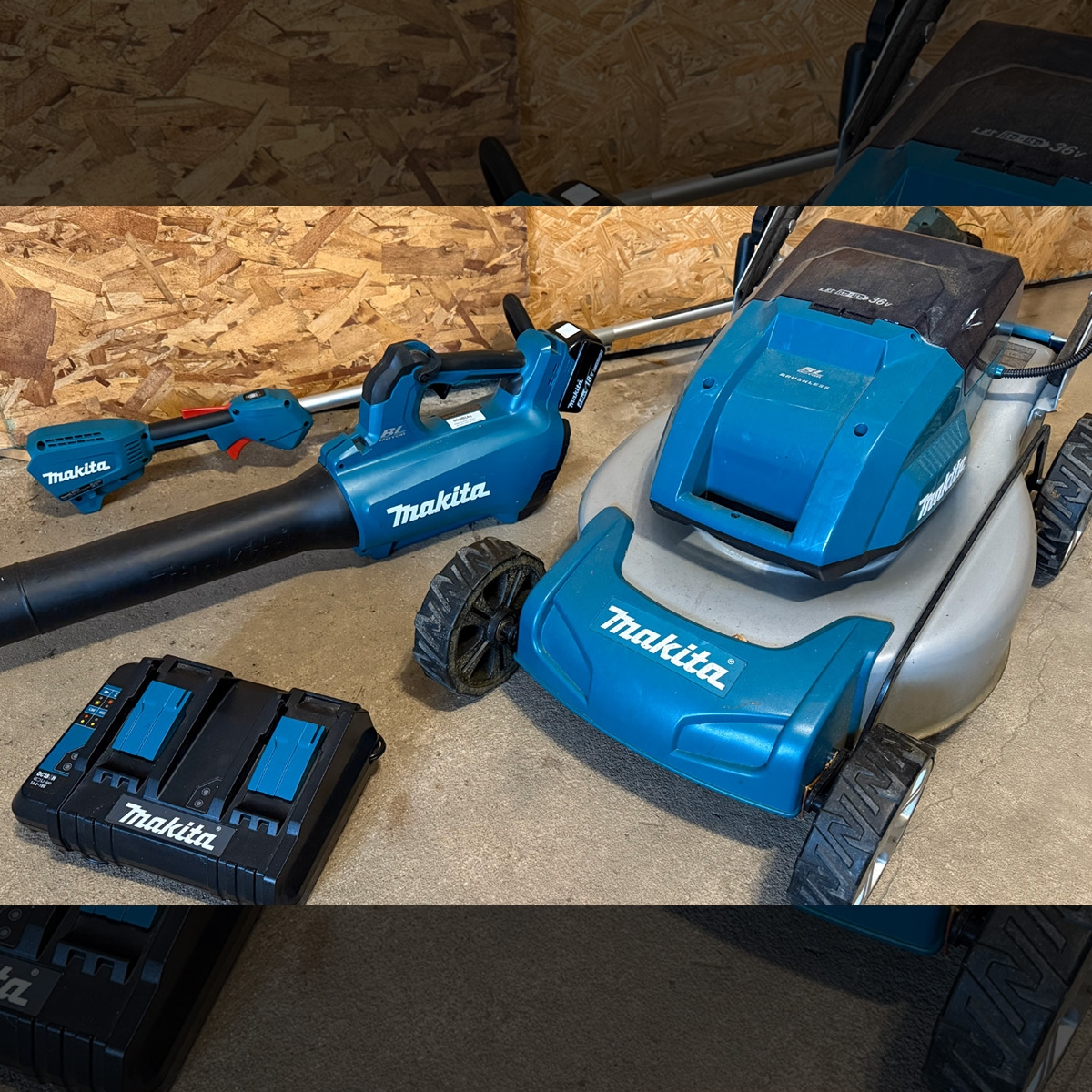
Electric lawn equipment has improved dramatically in recent years, with better pricing, more efficient motors and longer-lasting batteries. From hedge and string trimmers to leaf blowers, and push or riding mowers, electric options are now widely available.
Compared to gas-powered tools, electric equipment is quieter and requires far less maintenance. There’s no fuel mixing, spark plug changes or concern about gas going bad during the off-season. Modern rechargeable batteries also eliminate the need for cumbersome extension cords — just insert a battery and get to work.
Most major lawn equipment brands now offer battery-powered models, along with newer companies focused exclusively on electric tools. Choosing tools from the same brand allows batteries to be shared across multiple devices, reducing the number of chargers you need to store.
When shopping, look for equipment with brushless motors. Although they cost more upfront, brushless motors are more efficient, powerful and durable than brushed motors. Without physical brushes creating friction, they run cooler, quieter and longer on a single charge.
Battery-powered equipment also requires proper care. Always use manufacturer-approved chargers, charge batteries on hard surfaces away from flammable materials and store chargers in a cool, dry place. Batteries should be charged only to full capacity and unplugged when not in use to prevent damage, energy waste and fire risk.
Old or damaged batteries should never go in the household trash. Instead, recycle them at big-box retailers or local waste management facilities.
If you’re looking for a quieter, more efficient, lower maintenance lawn care routine, rethink your equipment options and consider electric models.