Silent Threat: Staying safe from carbon monoxide
Winter weather can bring power outages and increased use of home heating systems, raising the risk of carbon monoxide poisoning. Known as the silent killer, carbon monoxide is colorless, odorless and undetectable without alarms. Keeping your family safe requires smart home maintenance and safe generator operation during storm recovery.
- Run generators strictly outdoors. Never run a generator inside or in an enclosed space such as a garage, basement, crawlspace or covered porch.
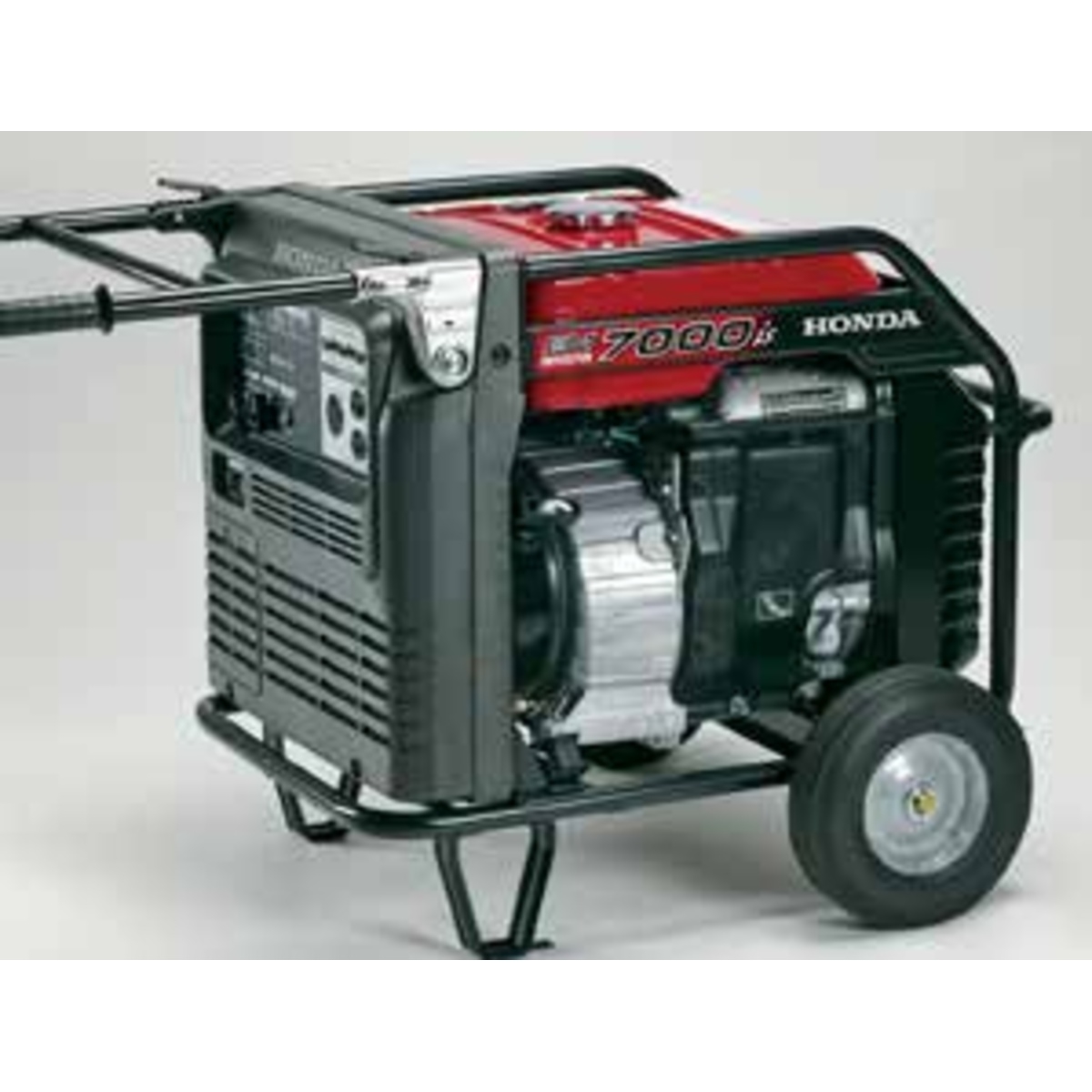
- Maintain a safe distance. Place portable generators outdoors at least 20 feet away from windows, doors and vent openings to keep toxic exhaust from entering your home.
- Avoid backfeeding lines. Plug appliances directly into the generator or use a professionally installed transfer switch. Never plug a generator into a wall outlet, which creates a deadly hazard for lineworkers.
- Test detectors monthly. A quick monthly test of your carbon monoxide detector could save a life. Press the test button on every unit to verify power and sensor function.
- Check expiration dates. Replace alarms according to the manufacturer’s instructions or when they reach the end of their service life.
- Check batteries. Follow the manufacturer’s instructions for battery maintenance and never ignore a lowbattery warning.
Carbon monoxide poisoning causes flu-like symptoms, including headaches, dizziness, nausea and confusion. Ensure alarms are installed on every level of your home and outside sleeping areas. Taking a few moments to review generator safety protects your household and line crews all winter long.
IMAGE NOTE: Position portable generators at least 20 feet outside the home, away from doors, windows and vents that can allow carbon monoxide to enter the home.